Pages

Showing posts with label Wild Life. Show all posts

Friday, March 18, 2011

the Emperor of Exmoor always makes an impression.


Emperor of Exmoor: The stag believed to be the UK's largest wild animal is pictured in Devon 


He doesn’t make many public appearances.

But whenever he shows up at his annual stag do – otherwise known as the mating season – the Emperor of Exmoor always makes an impression.

Thought to be the largest wild animal in the British Isles, he weighs around 300lb and stands 9ft tall from the ground to top of his antlers.


I'm off: A smaller stag decides against issuing a challenge to the Emperor


Emperor at home: The stag is estimated to be about 12 years old


Photographed on his traditional stamping ground near the Devon and Somerset border, his precise location is kept a closely guarded secret for fear that poachers may try to stalk him. 

The mating season lasts until the end of this month, giving the Emperor plenty of time to prove he’s still the UK’s alpha male.

Wildlife photographer Richard Austin, who tracked him down earlier this month, said: ‘I’m so glad he’s come back again looking even bigger and better than last year.

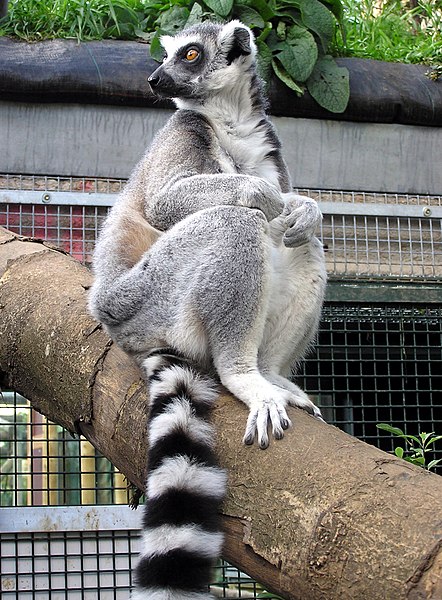
2011 A set of lemurs

Lemurs make up the infraorder Lemuriformes and are members of a group of primates known as strepsirrhines.
lemurs Animals Similar to the Monkeylemurs Animals Similar to the Monkey

A set of lemursA set of lemurs

Lemurs are in a relaxed sittingLemurs are in a relaxed sitting

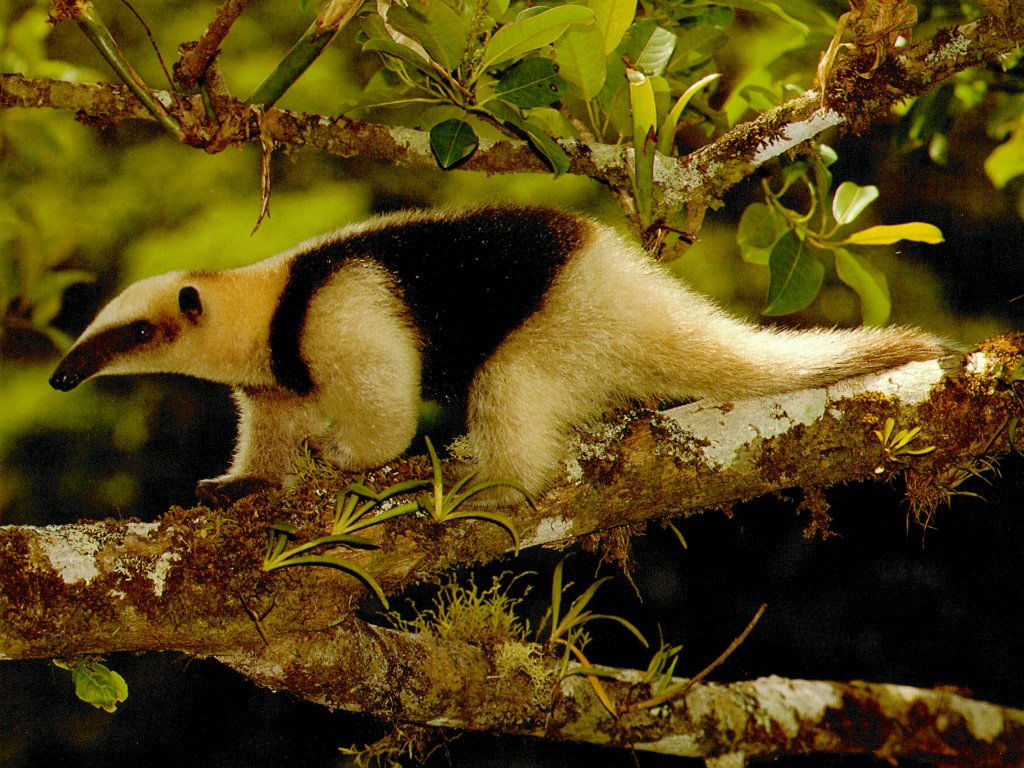
2011 Anteaters Aminals Reviews

Anteaters are the four mammal species of the suborder Vermilingua
Anteaters Unique AnimalsAnteaters Unique Animals

Anteaters Entertaining AnimalsAnteaters Entertaining Animals

Anteaters Is running on the treeAnteaters Is running on the tree

Tuesday, March 15, 2011

2011 MARLIN REVIEWS

Top 10 Quickest/Fastest Animals on the Planet - MARLIN
 / Animals on the Planet - 
The  is yet another fish sought after by sport fishermen in tropical areas. The difference here is that most sport fishermen release the  after it is weighed – you’ll rarely find it on a restaurant menu unless you’re in an incredibly upscale establishment. Different  species exist, ranging in size from 6 to 16 feet in length. They’ve been known to weigh anywhere from 150 – 1,500 pounds and can swim up to 68 miles per hour.

2011 PRONGHORN ANTELOPE REVIEWS

Top 10 Quickest/Fastest Animals on the Planet - PRONGHORN ANTELOPE
 Quickest/Fastest Animals on the Planet - PRONGHORN ANTELOPE
Despite its name, the pronghorn antelope is not actually an antelope. It is a special mammal known as an antilocapridae and can usually be found in the western and central sections of North America. The slender animals usually stand around 5 feet tall and can weight in as heavy as 132 pounds. They’ve been clocked running as fast as 61 miles per hour.

2011 WILDEBEEST REVIEWS

Top 10 Quickest/Fastest Animals on the Planet -WILDEBEEST
 / Animals on the Planet -
The , also known as a gnu, is native to Africa and is related to the bovidae family (including antelopes, goats, and other animals). The average  stands approximately 4.5 feet tall and can weight up to 500 pounds. They’re quicker than they appear they might be, running at speeds up to 50 miles an hour.

2011 THOMSON’S GAZELLE REVEIWS

Top 10 Quickest/Fastest Animals on the Planet -THOMSON’S GAZELLE
 / Animals on the Planet -
There are dozens of gazelle species, but the  is one of the most popular. This incredible animal usually stands around 24-35 inches tall and weighs no more than 40 pounds. Also known as the “tommy,” this distinct creature can run at speeds up to 50 miles per hour.

Sunday, February 13, 2011

National Geographic Simpanze

i type word "good photos" on google search engine and found that picture, hehe. I don't know why that simpanze appear but there is no doubt it was become a good photo because it take by national geographic photographer. and national geographic photographer was the great photographer ever.

10 Rarest animal in the world

Most of us would not know this binatang2. Now they are in danger and they are threatened with extinction if we as human beings do not keep them

Want to know what? check it


1. The Pinta Island tortoise


The presence in the islands begged. Sign in Galapagos Giant Turtoise species. The world's rarest living because one thing is still alive, which is impossible to breed again.


2. Baiji (Yangtze River Dolphin)


The Baiji dolphin is fresh water that can only be found in the Yangtze River, China. The rest just live 10


3. The Vancouver Island Marmot


The presence in Vancouver Island, in British Columbia. 75 remaining in the tail alone. But've successfully developed a culture around the tail and approximately 150 new born 44.


4. Seychelles Sheath-tailed Bat


Living in Madagascar, there's only less than 100 tails in the world. But the experts are still trying to create more development.


5. Javan Rhino the indonesian rhinoceros


Of 60 is known, where he lived there only 2 in Java (Indonesia) as in Vietnam. These rhinos still hunted in Malaysia, Sumatra, India for his horns taken.


6. Hispid hare


Commonly called "Bristly Rabbit" bias found in the Himalayas, Nepal, Bengal, and Assam. Just bias was found about 110 fish in the world.


7. Northern Hairy-nosed Wombat


ane gak tau ni own animal. Can be found in New South Wales and Victoria (Ausi) but now it's just the bias found in a national park near Epping Forest Station in Queensland. Just found about 113 tails only.


8. Tamaraw (Dwarf Water Buffalo)


Found in the Philippines. Well funny ni buffalo, liat deh ears. The first time declared endangered in 2000. now remaining approximately 30 to 200 fish. Still often poachers hunted the same.


9. Iberian Lynx


The Lynx. This cat, not a lion. As the name implies, here in the Iberian cat (kalo gak salah in spanish). Just now usually found only in Andalusia. Most die because taxable trap, which is used for capture game like rabbits. There were only 100, down from 400 during the year 2000.


10. Red Wolf


The wolf is still the same sodaraan gray wolf, but the smaller size. Now there are places where they live in northeastern North Carolina. Staying Wolves 20 pure red tail was found in 1980, but now has developed more than 200 species.

Monday, February 7, 2011

Baby Chacma baboon nibbling on a dried orange peel

Baby Chacma baboon
Caption:
Baby Chacma baboon nibbling on a dried orange peel, Mosi-Oa-Tunya Park, Victoria Falls, Zambia. © Scotch Macaskill

Camera: Canon EOS 300D (EOS Digital Rebel); Lens: Canon EOS 100-400 IS Zoom; Focal Length: 285mm; Aperture: F5.6; Shutter Speed: 1/125; ISO: 400

Location: Mosi-Oa-Tunya is a miniature park 66 sq km in size that was established to protect the famous Victoria Falls and environs along the Zambezi River. The river here is fringed with large trees, Llala palms and thick vegetation with mopane woodland behind. Wildlife residents include buffalo, elephant, waterbuck, hippo, vervet monkeys and baboons.

Near the entrance to the Falls on the Zambian side is a car park with curio stalls where baboons regularly mingle with their human cousins, looking for scraps of food.


Hippo Draped in Water Hyacinth

Hippo draped in water hyacinth weed

Caption: Hippo (Hippopotamus amphibius) surfaces through a blanket of water hyacinth covering a section of the Letaba River, Kruger National Park, South Africa.

Camera: Canon EOS 450D (Canon Rebel XSi 12.2MP); Canon EF 400mm f/5.6 L USM; Focal Length: 400mm; Shutter speed: 1/100; Aperture: f/8; ISO: 400.


Left: Another hippo emerges from the water draped in water hyacinth, showing the extent of the weed in this section of river, where it extends from bank to bank.

Water hyacinth (Eichhornia crassipes), while looking quite pretty with its green leaves and mauve flowers is a rampant invasive alien, widely recognized as one of the world’s worst weeds.

The plant is a native of the Amazon, but tolerates a wide range of climatic and aquatic conditions, allowing infestation across a range of latitudes and climates.

When uncontrolled, water hyacinth will quickly blanket entire dams, lakes and stretches of river, dramatically impeding water flow, blocking sunlight from reaching native aquatic plants, starving the water of oxygen and leading to death of fish and turtles.

Spotted Hyena With Carcass Remains Picture

Spotted hyena carrying remains of carcass, Sabi Sand, South Africa

Caption: Spotted Hyena (Crocuta crocuta) carrying remains of a carcass, Elephant Plains Game Lodge, Sabi Sand, South Africa.

Camera: Canon EOS 1D Mark II; Lens: Canon EF 70-300mm f/4-5.6 IS USM; Focal length: 300mm; Shutter speed: 1/200; Aperture: f/7.1; ISO: 800.

Although spotted hyena have a reputation as skulking scavengers, this is undeserved as they are accomplished hunters, bringing down about 70% of their own kills.

They prey mainly on medium- to large-size antelope, relying on speed and stamina to run down their prey, rather than stalking. See Spotted Hyena Information for more about this animal, the largest and most widespread of the Hyaenidae family.